

The Link Between Veteran PTSD and Substance Abuse: Understanding the Struggle
There is integrated care for veterans and therapies planned to make them feel better. More than one in 10 Veterans are diagnosed with high rates of alcohol addiction, and there are ptsd and alcohol abuse many aspects behind it. The strain of distance from your loved ones while serving in the military may put even the best relationships to the test. Transitioning to civilian life and the relationships accompanying it can be a challenge for those returning from the military.
Implications for Treatment and VA Disability Benefits
The VA rating process for PTSD with Alcohol Use Disorder provides a framework for assessing the severity of these conditions and determining appropriate compensation and support. It’s crucial for veterans to understand this process and to advocate for themselves in seeking the care and benefits they deserve. For example, if a veteran with service-connected PTSD turns to alcohol to cope with their symptoms and develops cirrhosis of the liver, they may qualify for additional disability benefits for the liver condition on a secondary basis. Research has already linked PTSD to higher mortality rates due to liver disease. Alcohol is the most common substance abused or misused among veterans. In one study of more than 88,000 veterans, 12-15% were found to have struggled with alcohol https://www.fasanolive.it/lifespan-of-alcoholics-revealed-substance-abuse/ misuse in the first three to six months back from combat.
Learn more about our full continuum of care
Substance abuse disorder can lead to many problems, both for veterans and those around them. It can cause health problems, financial problems, relationship difficulties, difficulty maintaining employment, and legal problems. Book a no-obligation VA Claim Discovery Call with an experienced team member. We’ll review your situation, spot what the VA may have missed, and help you map out a strategy to unlock the VA disability rating and tax-free compensation you’ve earned for your service. Deployments into war zones place service members at a high risk of exposure to repeated trauma. Without properly managing their trauma, they are at a high risk of developing PTSD when they come back home.
VA disability for alcoholism
Children of veterans with alcohol problems are at increased risk for mental health issues, academic difficulties, and substance abuse themselves. Spouses and partners often shoulder the emotional and practical burdens of addiction, facing financial strain, emotional neglect, and even physical abuse. Individuals with PTSD were more likely to report mood disorders, anxiety disorders, SUD, and suicidal behavior than respondents without PTSD. Also, respondents with PTSD were more likely than those without PTSD to have co-occurring AUD, after controlling for sociodemographic factors such as age and race. However, this association was no longer significant when the analysis controlled for other co-occurring mental health conditions in addition to the sociodemographic characteristics. In this study, we applied parallel process modeling to evaluate the parallel and prospective associations between PTSD symptom and alcohol use severity over a six-year period among returning veterans.
Are Veterans More Likely to Have Substance Abuse Problems?
We explain more about how veterans struggling with alcoholism may be able to get VA disability benefits. Yes, the VA provides comprehensive treatment options for veterans with PTSD and AUD, including counseling, therapy, and medication management. These services are available through VA medical centers and can support both your recovery and your VA disability claim.
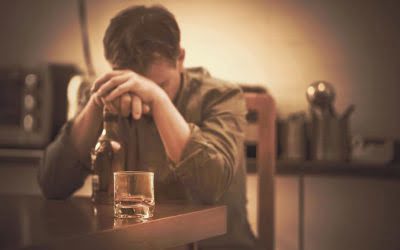
Coping Mechanisms for Veterans with PTSD and Substance Abuse
Hear from fellow Veterans just like you, with many of our Veteran Ambassadors having gone through our programs. Since 2016, VA Claims Insider has helped thousands of Veterans Drug rehabilitation just like you get the VA rating and compensation they deserve in less time. If you or a loved one is dealing with PTSD and AUD, it’s important to reach out for help and explore the benefits available to you.
Q: What should family members and loved ones of veterans with alcoholism know?
- However, when drinking becomes a crutch, the negative consequences affect more than just the person suffering from alcoholism.
- If your doctor has diagnosed you with both a mental health disorder and substance abuse disorder, make sure they clearly state in your medical history which issue came first.
- They come home to a hero’s welcome, but that does not mean the scars and stresses of their service disappear.
- Frequent moved and long deployments can put relationships with loved ones to the test.
- Similarly, many veterans struggle with anxiety related to their PTSD and are, therefore, also prescribed anti-anxiety medications.
Talking to others who understand the struggles of PTSD and addiction makes a difference. We’ll cover how veteran-led groups, 12-step programs, and nonprofit services provide guidance, encouragement, and accountability. These programs help veterans stay motivated and build a strong support system for long-term recovery.
- Individuals with PTSD and substance abuse disorder can safely engage in and reap benefits from trauma-centered, cognitive behavioral therapies such as prolonged exposure therapy and cognitive processing therapy.
- To truly heal, veterans need to treat both PTSD and substance abuse together.
- These include medication options, treatment, such as outpatient, inpatient and IOP.
With the right program, veterans can rebuild their lives and take control of their future. We’ll cover evidence-based treatment approaches that help veterans recover from PTSD and addiction. Therapy options like DBT and EMDR address trauma, while medication-assisted treatment helps manage cravings.

Important Considerations for PTSD with Alcohol Use Disorder Ratings
An IMO can strengthen your case by providing a professional, third-party perspective that validates your diagnosis and the connection between your PTSD, AUD, and military service. The evidence suggests that there is no distinct pattern of development for the two disorders. Some evidence shows that veterans who have experienced PTSD tend to develop AUD, perhaps reflecting the self-medication hypothesis.