

The Digital Mirage of the ItCasino MasterCart Identity
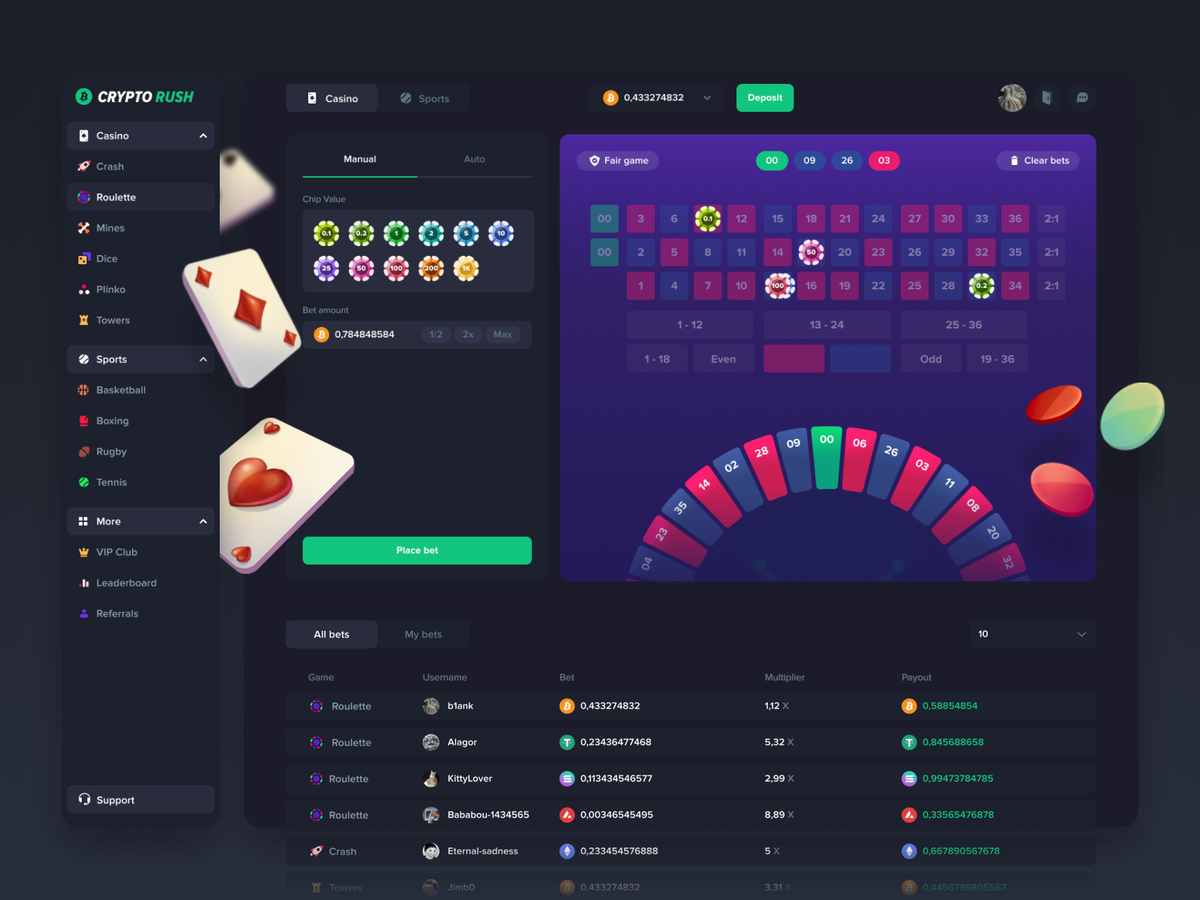
Right now, over 200 identical scam websites are floating around the internet. They’re essentially carbon copies of a much larger, more deceptive pattern built to trap players into losing their money. This isn’t just a fluke; it’s a systemic problem in online gambling where fraudulent sites copy the look of real brands to siphon off user deposits. Because these efforts are so coordinated, it’s getting harder for anyone to tell a secure platform apart from a fake shell.
Recently, “ItCasino MasterCart” has been popping up in different corners of the web. It’s sparked a lot of debate: is this a legitimate way for Mastercard users to handle their money, or just another face in the crowd of deceptive sites? The domain itcasinomastercart.xyz has become a major source of questions about whether the site actually works. Is it a real tool for managing gambling funds, or something more sinister? That ambiguity alone is enough to make anyone pause before hitting a deposit button.
The confusion stems from the name itself. Some people see it and think they’ve found a specialized transaction method that protects their winnings through specific financial channels. Others see it as linguistic camouflage used by bad actors. It’s a confusing, and frankly unsettling, time for anyone trying to navigate the space where high-stakes gaming meets digital payment security.
When you look at the technical side, things get even murkier. A lot of these sites seem to be built using a “Payload Blank Template”—a specific setup involving Payload in a Next.js app. This lets bad actors deploy hundreds of identical, high-speed, professional-looking websites with very little effort. This ease of deployment is exactly why so many sites look and feel exactly the same.
The Anatomy of the Clone Phenomenon
To see how these sites work, you have to look at how they mimic successful platforms. It’s a sophisticated form of digital impersonation. Scammers don’t start from scratch; they take a successful template, tweak the logo, and deploy it across dozens of URLs. We saw this exact same thing with previous waves of fraudulent sites like Betstakez, GoldenMirage, and Cryptostakez, which community members flagged for using the same playbook. The pattern keeps repeating because the profits are high and the risk of getting caught is low.
The scams usually follow a very predictable, frustrating path. They lure players in with massive, unrealistic bonuses that are far too good to be true. Once you deposit, the site might actually look like it works, letting you cash out small wins to build trust. But once you have a significant amount of money on the line, the “casino” suddenly has issues with withdrawals, or they start demanding “taxes” or “verification fees” before they’ll release your funds. It’s a trap designed to squeeze as much cash out of you as possible before the domain gets shut down.
The psychology here is what makes it work. They use the language of security to hide their lack of it. For instance, some reports say the platform focuses on “protecting winnings through specific transaction methods,” which sounds reassuring to someone worried about their money. In reality, these “methods” are often just unverified, non-refundable payment routes. They make it nearly impossible to file a chargeback with your bank. They’re essentially using the concept of security as a weapon against your own caution.
The sheer number of these sites is staggering. The current landscape shows a terrifying variety of identical clones. If you go looking for verified user feedback, you might end up checking https://it.trustpilot.com/review/itcasinomastercart.xyz only to find that even the reviews might be part of the manipulation. They want to create a sense of legitimacy through sheer ubiquity. The idea is that if you see a name everywhere, you’ll assume it must be real.
| Site Type | Primary Tactic | Withdrawal Reality |
|---|---|---|
| Legitimate Casino | Regulated licenses and verified payment gateways. | Strict adherence to KYC and standard banking timelines. |
| Clone/Scam Site | Identical templates used across hundreds of domains. | Impossible requirements or “fees” required to withdraw. |
| Identity Mirror | Uses names that sound like real financial tools. | Funds are sent to unrecoverable, private crypto wallets. |
Payment Security and the Mastercard Connection
One of the most confusing parts of the ItCasino MasterCart story is its supposed connection to Mastercard. There’s a persistent claim that the platform acts as a gateway helping players manage gambling funds via Mastercard-branded transaction methods. The pitch is that by using this “secure” channel, your winnings are protected from the volatility of standard banking or the anonymity of crypto. For anyone who has dealt with slow bank transfers or blocked gambling transactions, it sounds like a dream.
The reality is much more complicated. When a site claims to offer a “Mastercard-secured” way to handle winnings, it’s usually a red flag. Real financial institutions like Mastercard don’t endorse unverified gambling platforms to act as their primary security layer for individual players. Instead, these sites use the name of the card provider to create a false sense of institutional backing. They want you to feel like you’re using a bank-grade tool when you’re actually just sending money into a digital void.
The marketing makes this confusion worse. They use high-quality graphics and language that mimics official communication from major credit card companies. They talk about “protecting your winnings” and “seamless transactions,” but they never mention that these transactions are one-way streets. Once the money leaves your account and enters their ecosystem, your bank’s protections often vanish because you technically authorized the transaction to a merchant site.
There’s almost no connection between the name and what the site actually does. While some claim the platform offers slots, table games, and live dealer options, the “MasterCart” part seems to be more of a marketing term than a real financial tool. It’s like a restaurant calling itself “The Gold Standard Steakhouse” when they don’t even have a grill. It’s just a label used to make an existing service sound more premium.
Identifying the Red Flags in the Digital Mirage
If a site looks suspiciously familiar, you should step back and look at the technical and social signals. The explosion of these sites isn’t an accident; it’s a coordinated effort to grab search engine traffic and social media attention. Here are the most common signs that you’re looking at a clone rather than a real operator:
- Identical Layouts: The site uses a generic template that looks exactly like dozens of other sites you’ve seen in recent forum posts.
- Domain Oddities: They use strange or highly specific TLDs (like .xyz) that don’t match the branding of the company they’re mimicking.
- Impossible Bonuses: “No-deposit” bonuses that are huge in value but come with impossible wagering requirements that make it impossible to ever actually withdraw.
- Pressure Tactics: Using countdown timers or “limited time offers” to force you to deposit before you can research if the site is legitimate.
Another big red flag is customer support. A real casino has a transparent, verifiable way to contact them, often including a physical address in a regulated area. Scam sites usually rely on “live chat” features that are either bots or people who vanish the second you ask about a withdrawal. They’re great at being “available” when you’re depositing, but they’re always “busy” or “under maintenance” when you want to get paid.
The “Digital Mirage” is a perfect way to describe this. You see the image of a high-end, secure gambling experience, but as you try to actually move money, the image disappears, leaving you with a broken link or a blocked account. This is why many seasoned players are extremely skeptical of any new, unverified site, no matter how professional that “Mastercard-protected” branding looks.
It’s a dangerous game, and the stakes are your actual money. These operators are clever because they hide in plain sight, using the tools of modern finance to look like the solution to the very problems they create. They are a shadow version of the industry, living in the gaps between regulation and digital anonymity.
The hardest part is that many of these sites actually do work for a little while. They aren’t broken on day one. That’s a deliberate strategy to build a reputation. They want to collect enough “wins” from small-scale players to create fake reviews and social media buzz, which then lures in the “whales” who are willing to deposit much larger sums. It’s a calculated, predatory way to run a scam.
You might wonder why people still fall for them every day if they’re so easy to spot once you know the pattern. The answer is simple: they don’t look like scams. They look like the future of gambling, shiny, fast, and integrated with the payment methods we use every day. That makes the line between a legitimate fintech-driven casino and a well-constructed trap incredibly thin.